
Top Foods to Eat for Weight Loss and Low-Fat Living
Discover the best low-fat foods that support a balanced lifestyle, help you feel full longer, and give your body the nutrients it needs — all backed by solid nutritional science.
- Evidence-based food rankings and nutritional breakdowns
- Low-fat meal planning tips from our editorial team
- Practical guides for real, everyday eating in France and beyond
- Curated lists of superfoods, vegetables, proteins and more
Stay Updated
Get our latest nutrition articles and low-fat food guides delivered straight to your inbox.
Why What You Eat Truly Matters
Nutrition is at the core of every healthy lifestyle. Our editorial team compiles the most relevant food science to help readers across France make informed choices every day.
A Wide Range of Superfoods
Our guides cover a broad spectrum of low-fat whole foods — from leafy greens and legumes to lean proteins and fibre-rich fruits — so every reader finds options that suit their palate.
A Growing Community of Readers
Readers across France and beyond rely on Weightlossnutrition for straightforward, jargon-free information about food choices that support long-term wellbeing and balanced eating habits.
Continuously Updated Content
Our editorial board regularly reviews and refreshes every article to reflect the most current nutritional research, ensuring readers always access up-to-date and reliable food guidance.
Best Low-Fat Superfoods — Ranked and Explained
Each food below has been selected by our editorial team for its outstanding nutritional profile, low fat content, and practical role in everyday weight-conscious eating.
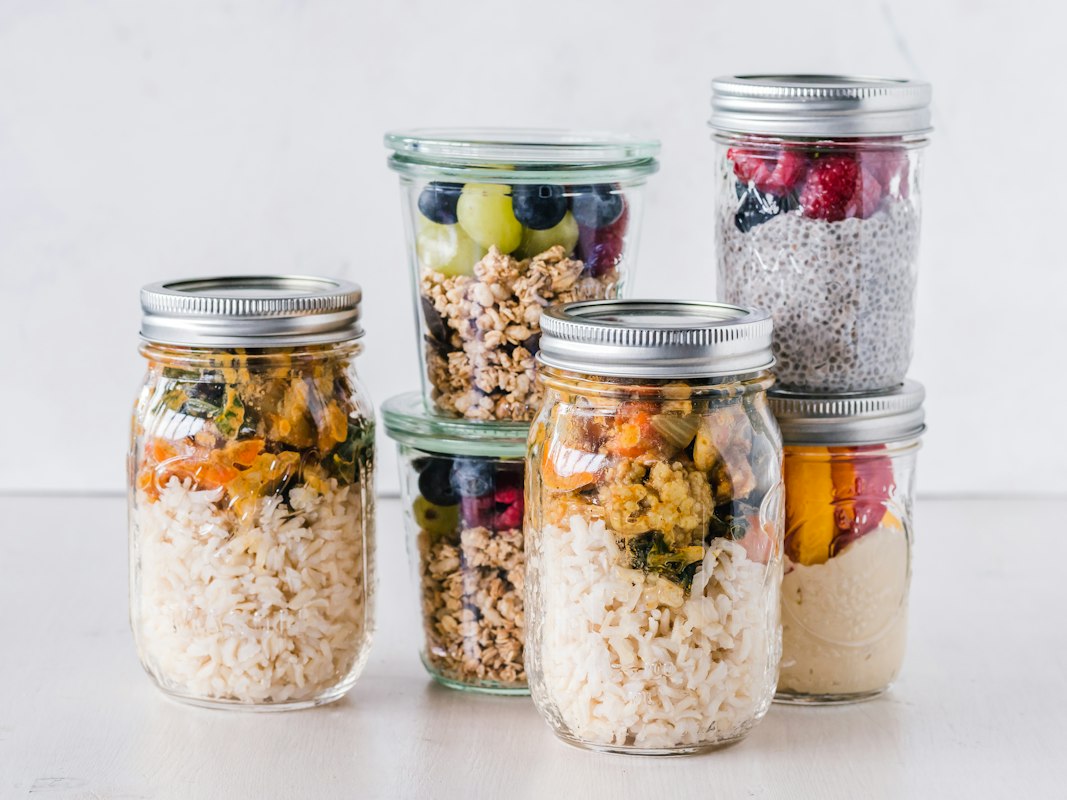
Leafy Greens (Spinach, Kale, Chard)
Leafy greens are nutritional powerhouses — extremely low in fat, high in dietary fibre, and packed with vitamins A, C and K. Spinach and kale in particular deliver iron and magnesium while keeping caloric intake minimal. Adding a generous portion to lunch or dinner helps promote satiety without adding unnecessary fat or sugars to your plate.
Read full guide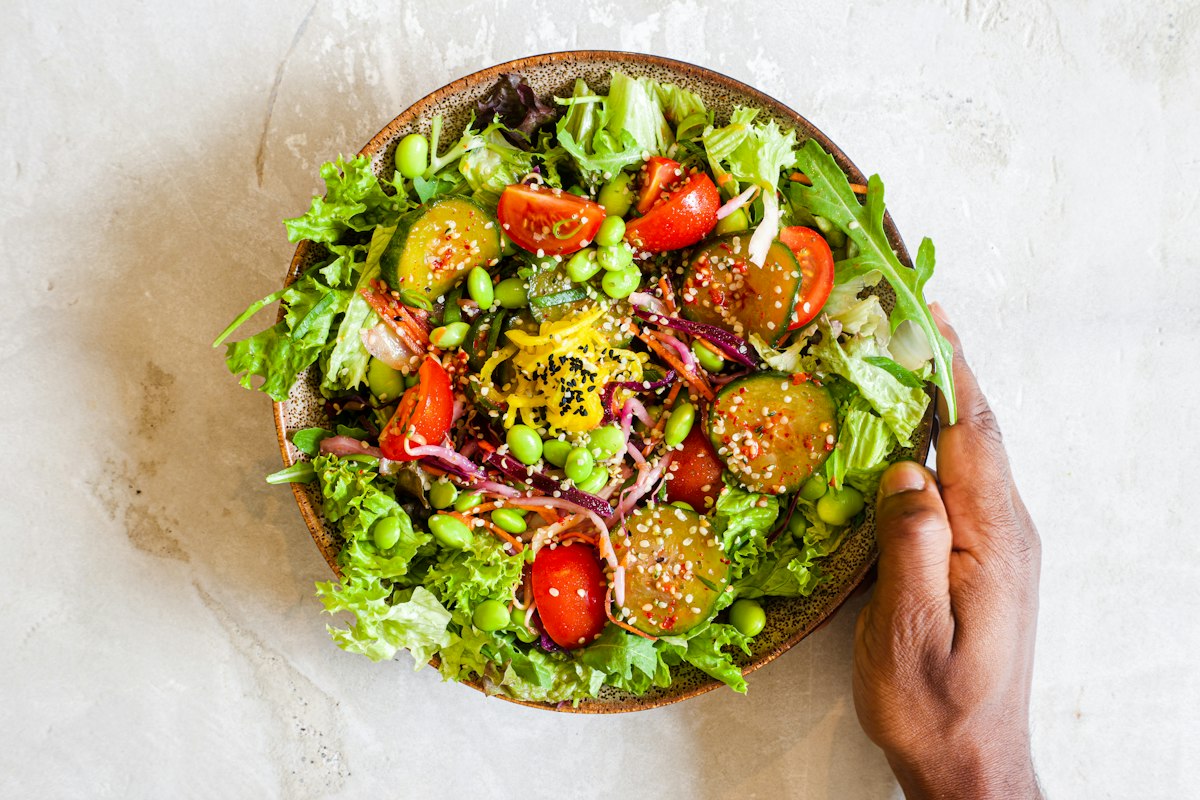
Skinless Chicken Breast
Skinless chicken breast is consistently ranked among the leanest protein sources available. A standard portion provides substantial protein to support muscle maintenance while keeping fat content well below that of red or processed meats. It adapts beautifully to French cooking traditions — poached, baked or grilled with fresh herbs — making it both nutritious and genuinely enjoyable.
Read full guide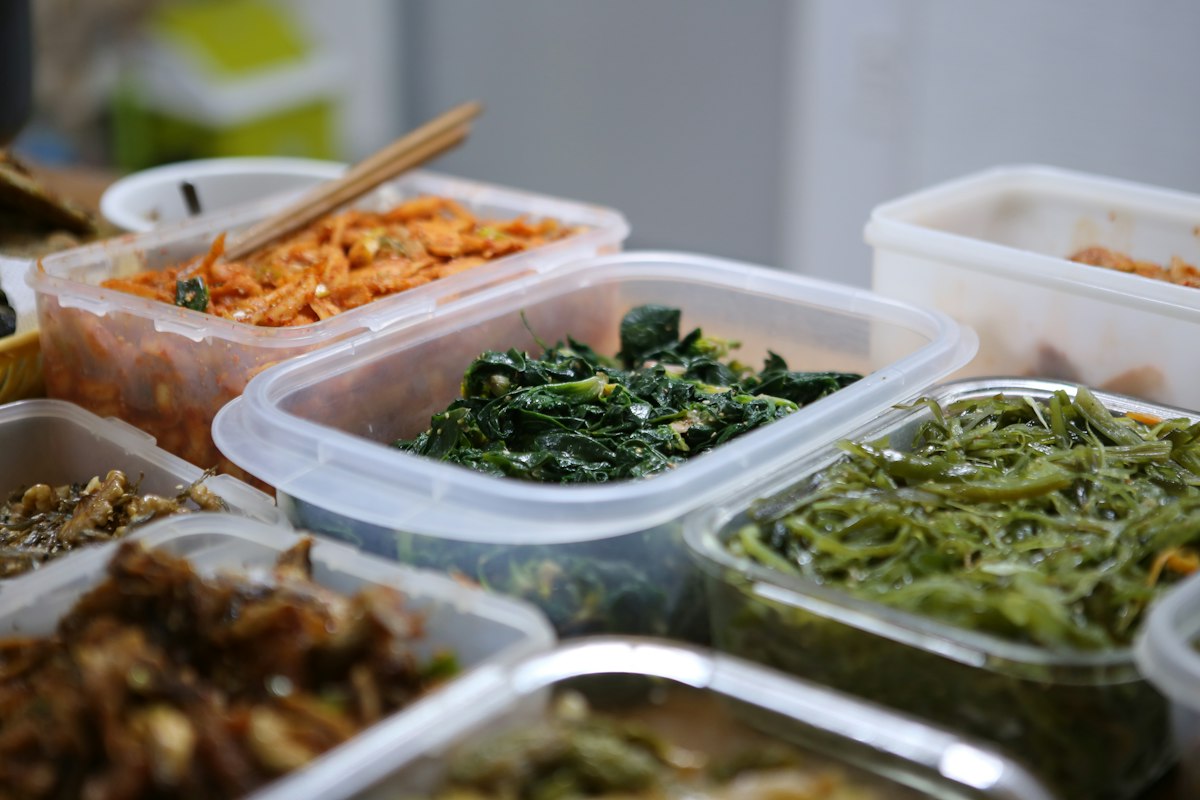
Lentils and Chickpeas
Lentils and chickpeas deliver an impressive combination of plant-based protein, soluble fibre, and complex carbohydrates — all with minimal fat. Their fibre content slows digestion, helping to manage hunger between meals. Lentilles du Puy, a beloved French staple, are a particularly excellent choice for low-fat meal planning due to their rich flavour and dense nutritional profile.
Read full guide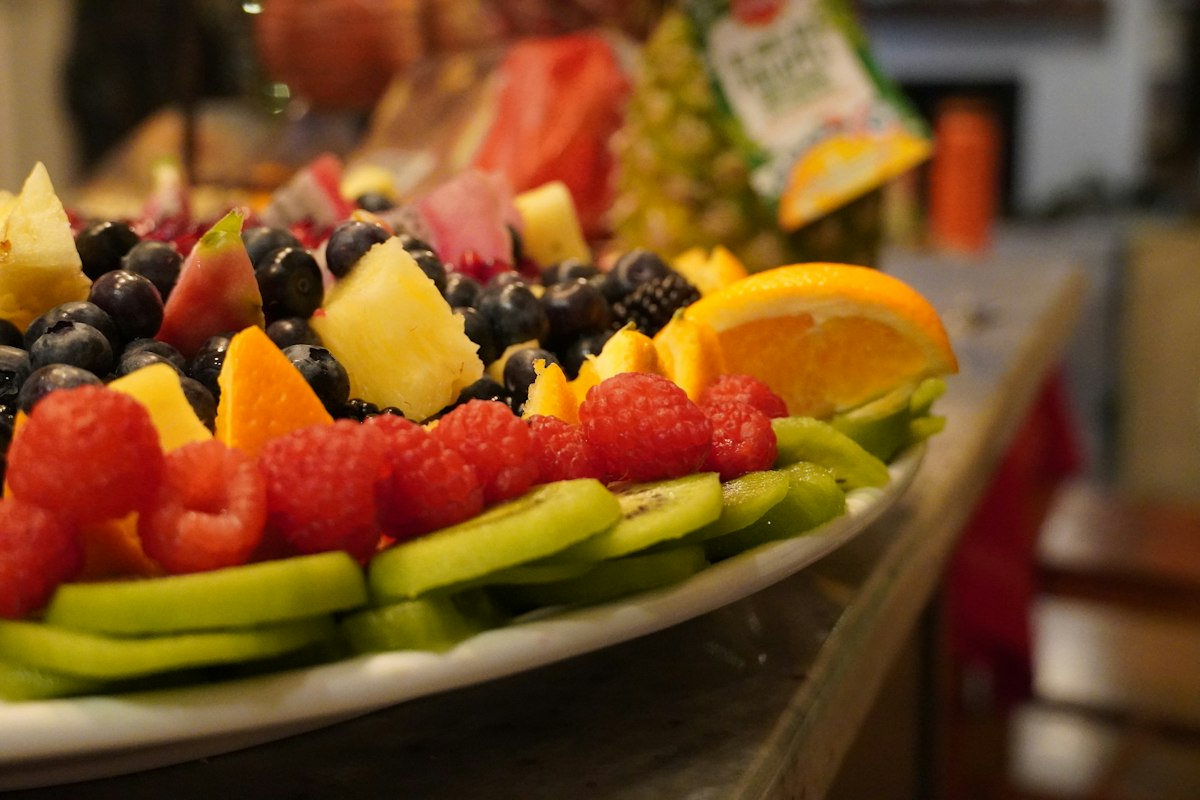
Berries (Blueberries, Strawberries, Raspberries)
Berries are among the lowest-fat fruits you can eat, while being extraordinarily rich in antioxidants, vitamin C and dietary fibre. Their natural sweetness satisfies cravings without the fat burden of processed snacks. Raspberries and strawberries in particular are widely enjoyed across France and provide exceptional nutritional value per calorie — ideal for breakfasts, snacks and light desserts.
Read full guide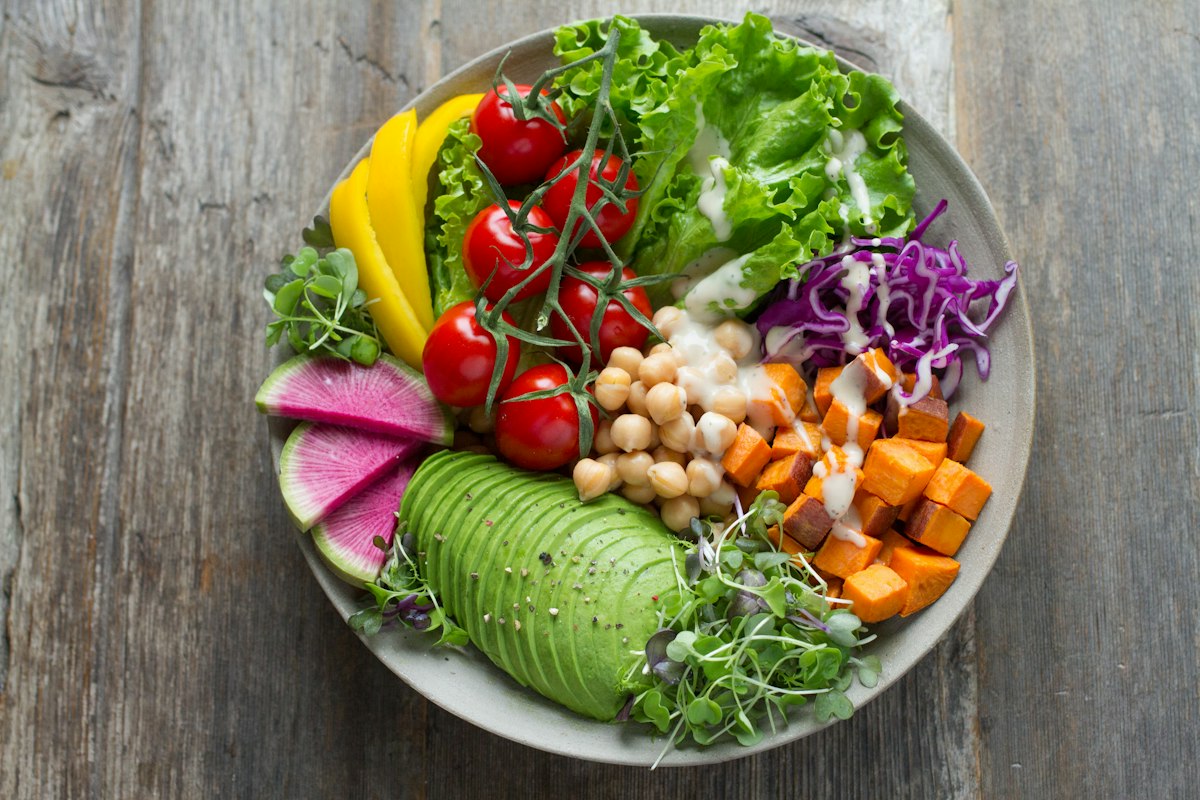
Oats and Whole Grain Barley
Whole grains like oats and barley are celebrated for their beta-glucan content — a form of soluble fibre that contributes to lasting fullness and supports healthy digestion. Their fat content is naturally low, and they provide sustained energy without the spikes associated with refined carbohydrates. A warm bowl of oat porridge in the morning is one of the most nutritionally complete starts to a weight-conscious day.
Read full guide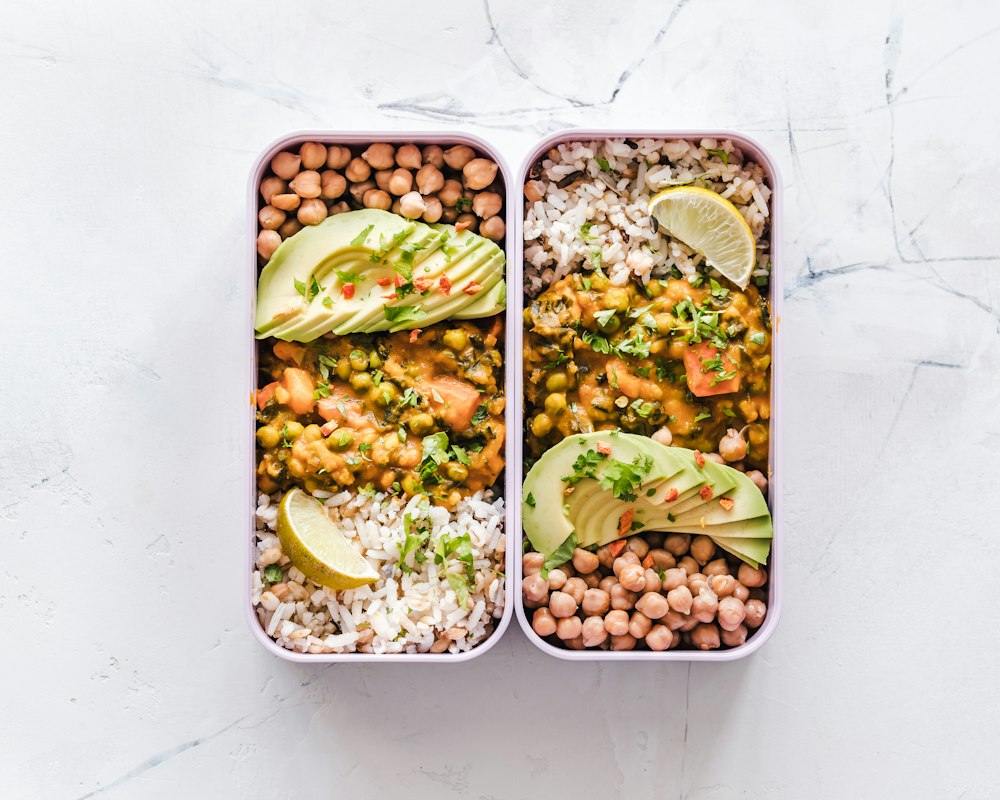
White Fish (Cod, Hake, Sole)
White fish varieties such as cod, hake and sole are among the most fat-sparse protein sources in the natural world. They are extremely low in total fat while delivering high-quality amino acids essential for maintaining lean body mass. Popular across the coastal regions of France, white fish pairs beautifully with steamed vegetables and light herb-based sauces, making it a centrepiece of genuine low-fat cuisine.
Read full guide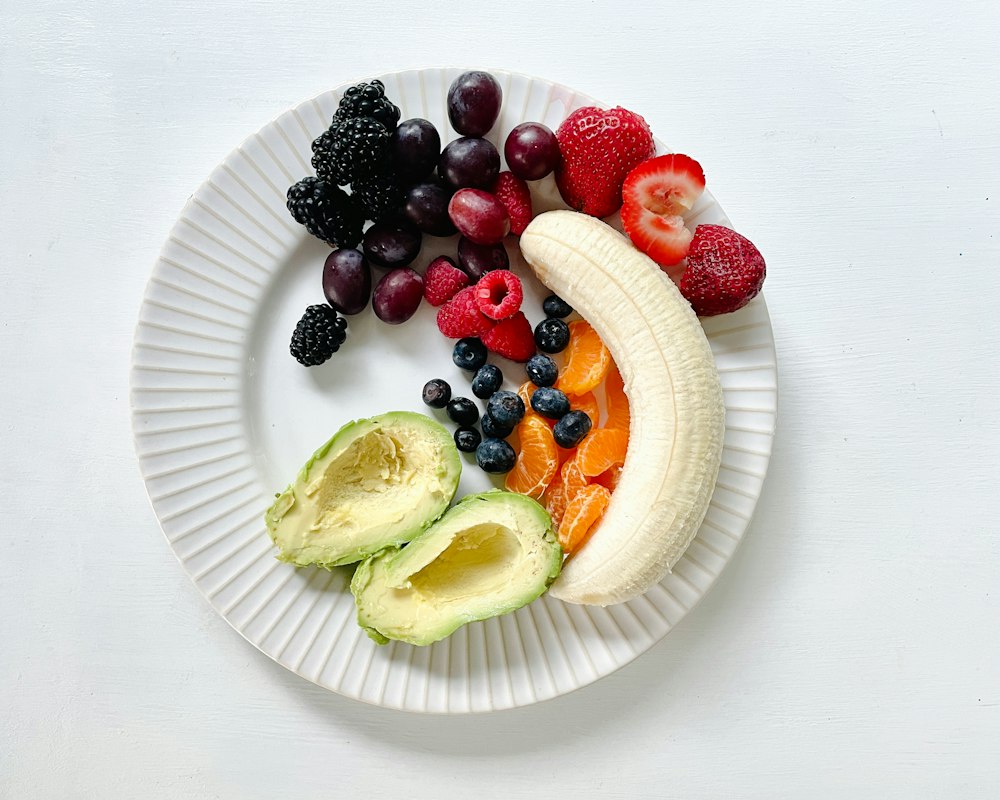
Plain Low-Fat Yoghurt
Plain low-fat yoghurt — particularly the fromage blanc style widely consumed in France — offers an excellent balance of protein, calcium and probiotics while keeping fat to a minimum. It functions well as a standalone snack, a base for sauces, or a breakfast component when combined with fresh fruit and oats. Choosing natural, unsweetened varieties avoids the hidden sugars found in flavoured products.
Read full guide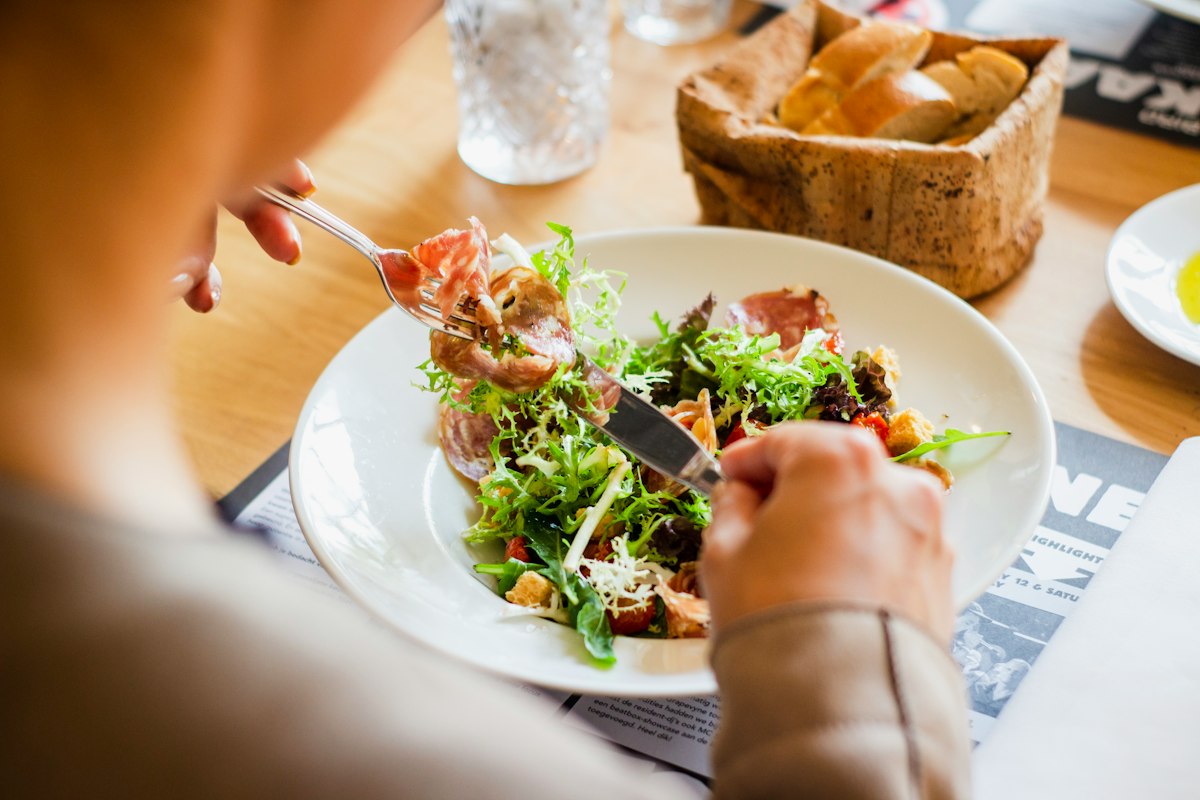
Cucumber, Courgette and Celery
High-water, low-fat vegetables like cucumber, courgette (zucchini) and celery are invaluable tools for volume eating — consuming a large amount of food by weight while taking in very few calories and almost no fat. These vegetables add crunch, freshness and bulk to salads, soups and stir-fries, making meals more satisfying without weighing down your nutritional balance.
Read full guide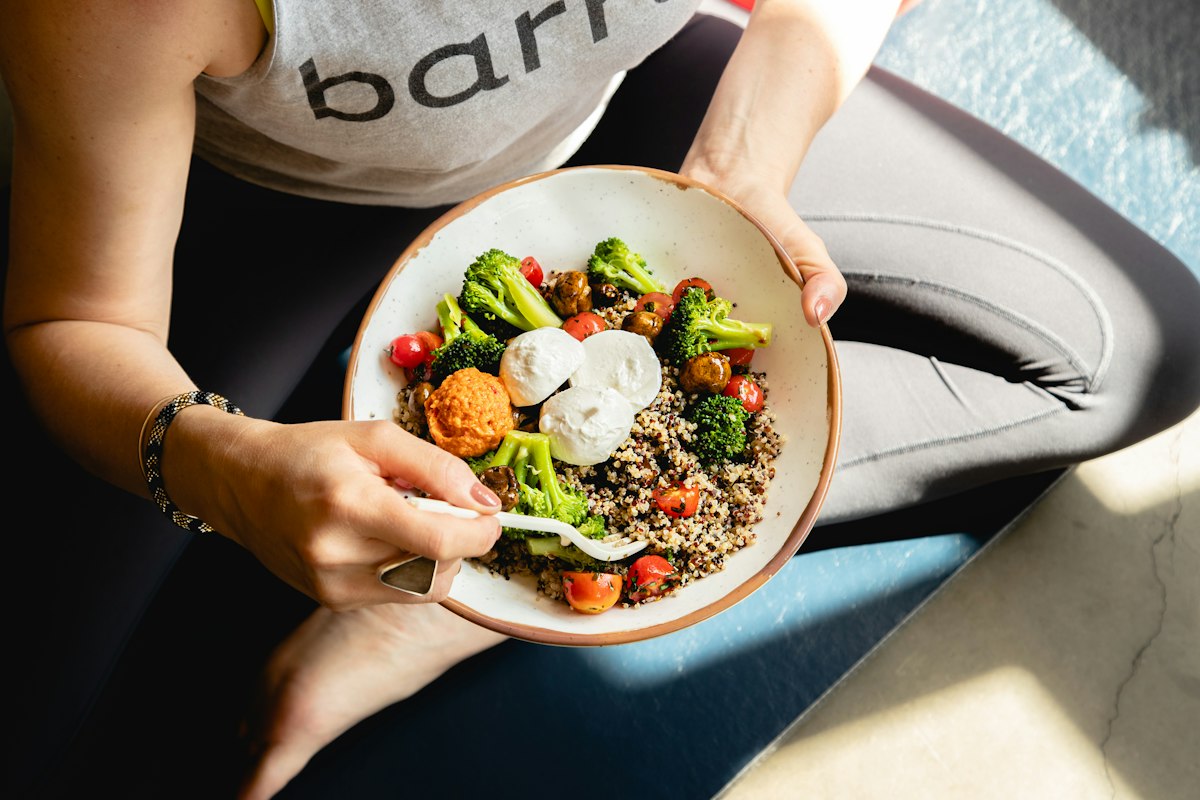
Egg Whites
Egg whites are pure protein with virtually zero fat — making them one of the most direct tools for low-fat, high-satiety eating. While whole eggs carry nutritional value in the yolk, those specifically focused on reducing fat intake often favour egg-white omelettes, scrambles and frittatas as versatile, quick and deeply satisfying meals at any time of day.
Read full guide
Why Low-Fat Whole Foods Can Transform How You Feel
When you build your diet around naturally low-fat whole foods — vegetables, legumes, lean proteins and unprocessed grains — you give your body exactly what it needs without overloading it with unnecessary dietary fat. The result is a feeling of consistent energy, reduced heaviness after meals, and a more stable relationship with hunger throughout the day.
Unlike restrictive approaches that eliminate entire food groups, a whole-food low-fat approach is inherently varied and rich. You are not eating less — you are eating smarter. Volume eating with low-fat vegetables and fibrous foods means you can fill your plate generously while maintaining nutritional balance.
Our editorial team at Weightlossnutrition has explored the science and the practical realities behind low-fat eating patterns popular in France and across Europe. The consistent finding is clear: when whole, minimally processed foods replace high-fat convenience products, people naturally feel more energised, more satisfied and more in control of their daily food choices.
How to Build a Low-Fat Meal Plan
A practical, structured approach to low-fat eating does not require professional certification — just the right framework. Follow these steps to create a genuinely sustainable low-fat diet from scratch.
Audit Your Current Pantry
Begin by reviewing what is currently in your kitchen. Identify items high in saturated fats — full-fat , refined sugars, and excess sodium — and consider replacing them with heart-healthy alternatives. This sets the foundation for lasting dietary change.
Plan Meals Around Whole Foods
Build your weekly meal plan with vegetables, legumes, whole grains, and lean proteins at the centre. Minimally processed ingredients deliver more fibre, antioxidants, and micronutrients that directly support cardiovascular health and healthy weight.
Introduce Healthy Fats Gradually
Swap butter and lard for extra-virgin olive oil, avocado, and a small handful of unsalted nuts. These sources of mono- and polyunsaturated fats have been shown to raise HDL ("good") cholesterol while lowering LDL ("bad") cholesterol over time.
Increase Omega-3 Intake
Aim to eat fatty fish such as salmon, mackerel, or sardines at least twice per week. If fish is not an option, ground flaxseed, chia seeds, and walnuts are excellent plant-based omega-3 sources that support arterial flexibility and reduce inflammation.
Monitor Portion Sizes
Even nutritious foods can contribute to weight gain when portions are excessive. Use the plate method — fill half your plate with non-starchy vegetables, a quarter with lean protein, and a quarter with complex carbohydrates — to manage calorie intake without counting every gram.
Stay Consistently Hydrated
Water supports every metabolic process and helps the heart pump blood more efficiently. Aim for 6–8 glasses of water per day, reduce sugary drinks and excessive caffeine, and consider herbal teas or infused water to keep hydration enjoyable and sustainable.
What Our Community Is Saying
Thousands of people have transformed their heart health and body weight by following the principles we teach. Here are a few of their stories.
"After following the Mediterranean-style meal plan for 12 weeks, my LDL cholesterol dropped by 22 points and I lost significant weight. My cardiologist was genuinely impressed. I never felt deprived — the food is absolutely delicious."
Margaret R.
58 years old · Bristol, UK
"I had borderline high blood pressure and was worried about my future. The guidance here helped me overhaul my diet without feeling overwhelmed. Six months later, my blood pressure is back in the normal range and I've shed over 20 pounds sustainably."
David K.
63 years old · Manchester, UK
"As a busy mum, I needed practical advice that actually fitted into real life. The step-by-step approach made it easy to swap out unhealthy ingredients one at a time. My energy levels are through the roof and my heart health markers have improved dramatically."
Sarah T.
44 years old · Edinburgh, UK